


It is ironic that ‘The Notables’ is based on a table. It is an elaborate sheet, actually, which captures the opinions of some of India’s top literary minds. The list is not the best books in India, but we’ve called it that because that is what you, sweet reader, most likely googled.
Dear poet/writer, we’d love to know you better.
What are you writing?
In prose, you prefer…
To stay informed about articles related to poetry writing,
would you like to get emails from us?
We don’t spam and you can unsubscribe any time.
In prose, you prefer…
To stay informed about articles related to fiction writing,
would you like to get emails from us?
And we’re happy to throw in two free courses, too
We don’t spam and you can unsubscribe any time.
To stay informed about articles related to prose and poetry writing,
would you like to get emails from us?
And we’re happy to throw in two free courses, too
We don’t spam and you can unsubscribe any time.
To stay informed about articles related to non-fiction writing,
would you like to get emails from us?
And we’re happy to throw in two free courses, too
We don’t spam and you can unsubscribe any time.
“Best” is a terrible word to use with books, and we don’t like it much. But if we had not peppered this post with ‘Best books’, few people would find it ( the mysteries of google and SEO are for another post). “The Notables” is the list of books that erudite people – well-informed about literature in India – selected as their favourites. These are books published by Indian authors/translators in the year 2025. It is less likely to have commercial books, and more likely to have books with literary merit that have not just delivered a story and some entertainment, but also depth, nuance and a reason to pause and reflect upon many a sentence.
We are, unfortunately, not at liberty to share the table itself because people who voted may not want their individual rankings to be made public. However, the combined rankings are shared below.
It all started when some folks from the HWR community reached out to us, asking which books we thought were the best Indian books this year. Prizes such as the JCB Prize and DSC South Asia Prize are credible but proved to be short-lived. We felt India needs a credible list of great books that should be published every year. That means something enduring, neutral and not commercial. Ergo, this list of best books – recommended reads from those who know – is not dependent on a fickle sponsor.
Instead of giving just our opinion, we decided to reach out to some of India’s top Editors, Literary agents and Translators to ask them which were their favourites.
We asked each one to share their top five books in each of the following Genres:
- Fiction (Including Novels and Short Stories)
- Non-Fiction
- Translations (Either of the above, but translated)
Self-nomination: There is a small caveat, though. In each list, only two of the five books can be ones that the Jury members themselves have worked on. Three of the five have to be works they have liked which they are not associated with in any way.
So, if someone is an editor or publisher at Company X, they can have a maximum of two books published by Company X in each of the three genres mentioned above, i.e. a total of only 6 of the 15 books could be from Company X. The other nine have to be their independent opinion of work they were not associated with. It will be the same for a Translator, Author or Literary agent. A Literary agent can mention only 2 books by their author-clients in each genre.
Anyone who gets paid to promote books is not allowed to vote.
The final collated list is based on the number of times a particular book appears in each list from each Jury member. We will not be sharing each Jury members specific list unless we have their express permission. (Some may get in trouble if this information is shared.)
The Notables of 2026 are:
Fiction
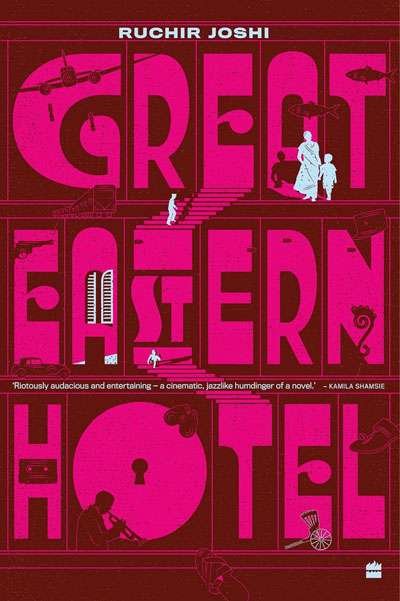
In fiction, Ruchir Joshi’s “The Great Eastern Hotel” emerged as the most consistently admired work across jurors’ lists. With the highest number of votes in the fiction category, this book was clearly a favourite among the jury. The book stood out for its literary depth, narrative confidence, and emotional intelligence.
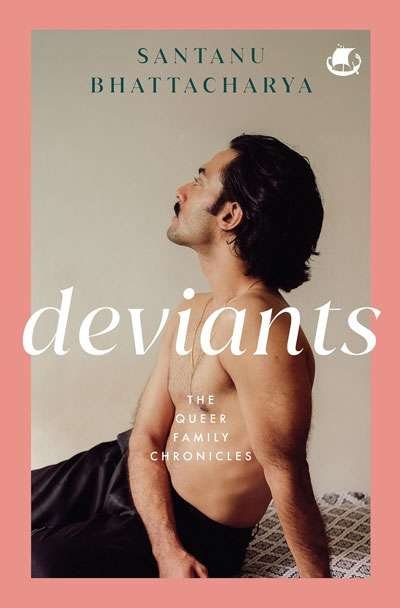
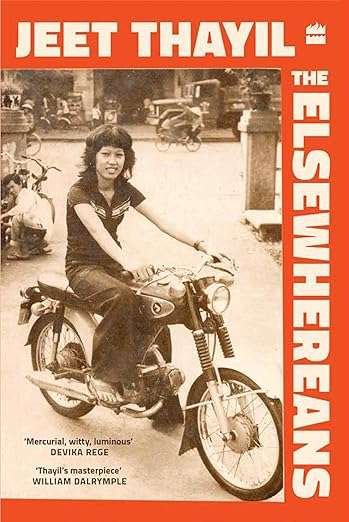
Tied for second place were Deviants and The Elsewhereans.
Santanu Bhattacharya’s “Deviants” is a novel that was unsettling for most readers. Deviants was repeatedly mentioned for the psychological insight it provides and how thought-provoking it is. Jeet Thayil’s “The Elsewhereans”, is an atmospheric work that many jurors mentioned. It was recognised for its distinctive voice, its ability to capture dislocation and memory with poetic precision, and to cut across (defy?) genres.
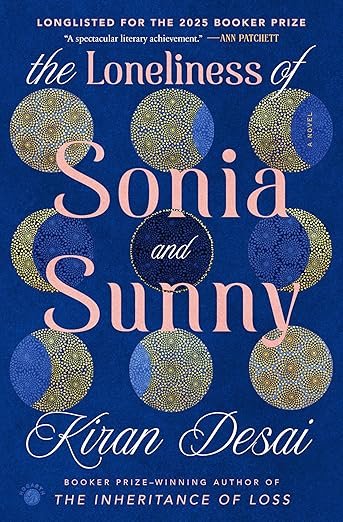
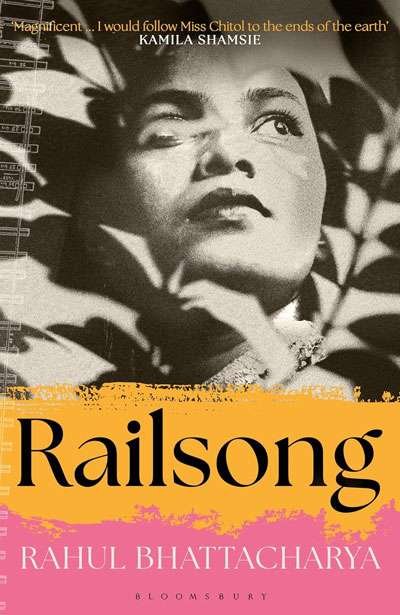
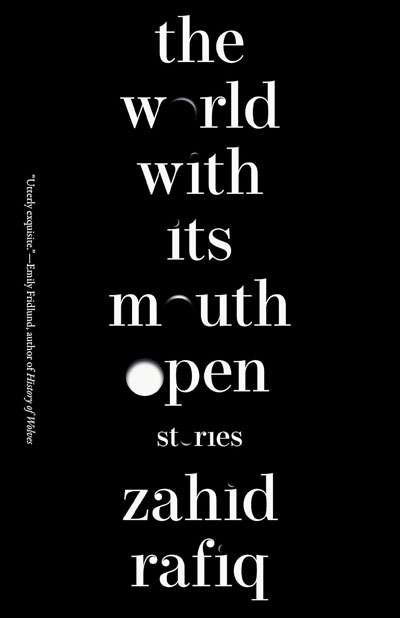
The fiction list also has a few more gems on it that are worth special mention. Kiran Desai’s “The Loneliness of Sonia and Sunny” drew admiration for its emotional unreservedness, while Rahul Bhattacharya’s “Railsong” and Zahid Rafiq’s “The World with Its Mouth Open” were praised for their narratives and the depth of the themes covered in them.
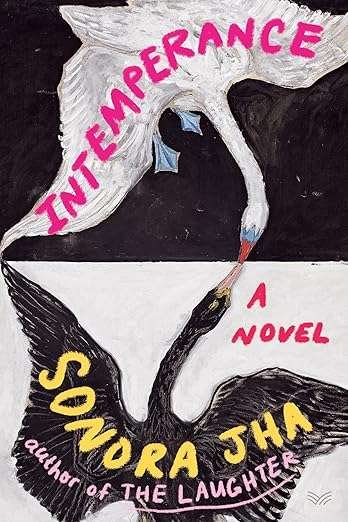
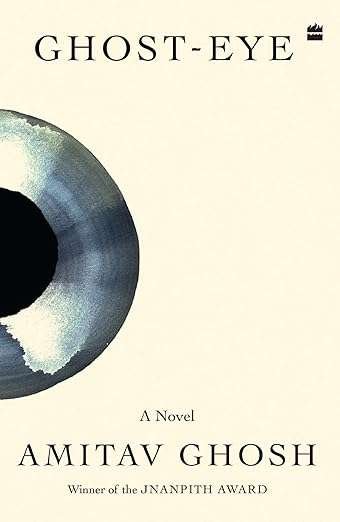
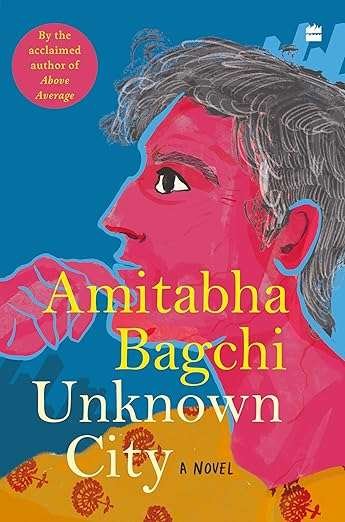
Panel of industry experts also highlighted Sonora Jha’s “Intemperance”, Amitav Ghosh’s “Ghost Eye”, Alina Gufran’s “No Place to Call My Own”, Amrita Mahale’s “Real Life”, and Amitabha Bagchi’s “Unknown City” for their distinct voices with confidence.
Other notable mentions included The Pretenders, Ex-Daughters of Tolstoy House, As Dark as Blood by Yasser Usman, and 100 Indian Stories (edited by A. J. Thomas), each contributing to a fiction landscape that privileged nuance over noise.

Non-Fiction
In non-fiction, we had a three-way tie for first place.
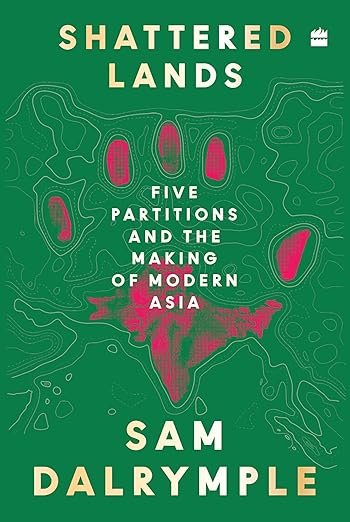
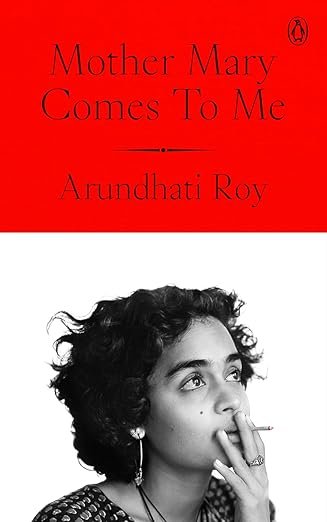
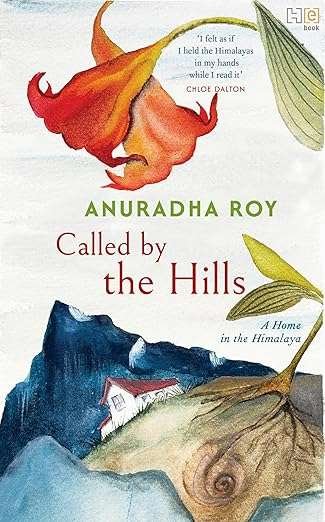
Sam Dalrymple’s “Shattered Lands”, Arundhati Roy’s “Mother Mary Comes to Me”, and Anuradha Roy’s “Called by the Hills” all received the highest (and same) number of votes.
Sam Dalrymple’s “Shattered Lands” stood out for its rigorous research and its ability to connect personal narratives with the broader history of Partition and South Asia.
Many readers have described Arundhati Roy’s “Mother Mary Comes to Me” as intellectually bracing and morally uncompromising. It may be Arundhati Roy’s best writing.
Anuradha Roy’s “Called by the Hills” got recognition for its reflective tone and the sensitive engagement with places and memory.
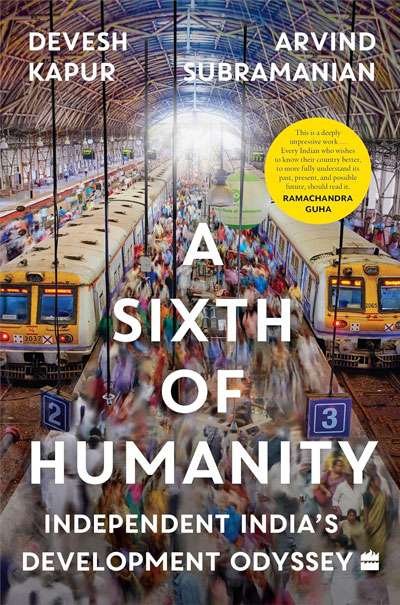
Arvind Subramanian’s “A Sixth of Humanity” just missed the top spot but was a close second.
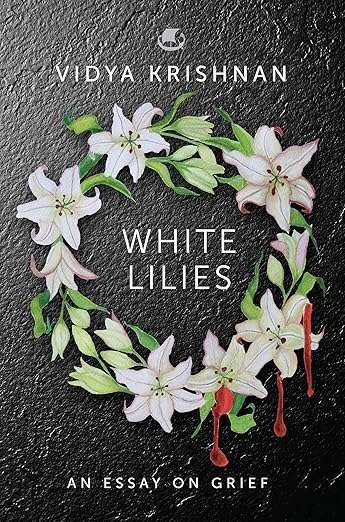
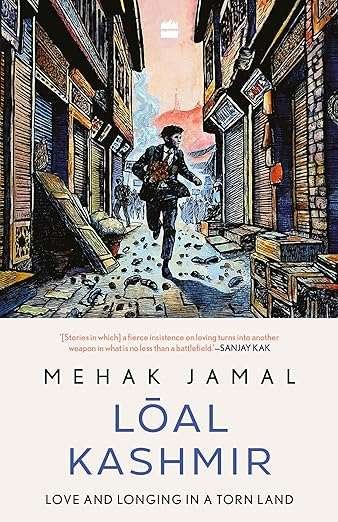
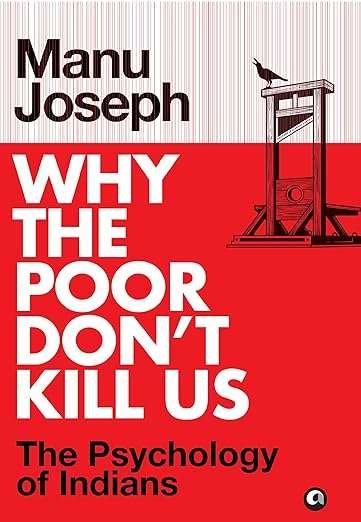
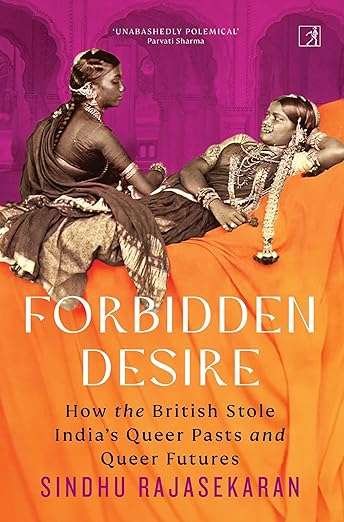
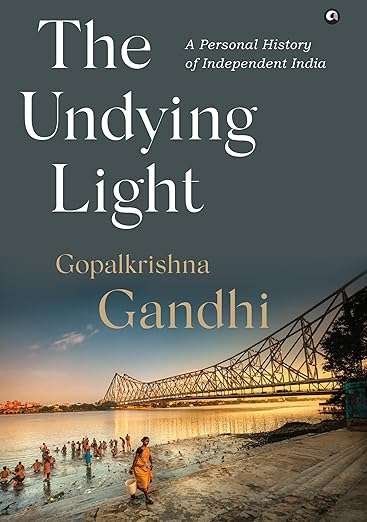
The wider non-fiction selection reflected a strong engagement with contemporary India and its histories. Titles such as Vidya Krishnan’s “White Lilies”, Mehak Jamal’s “Local Kashmir”, and Manu Joseph’s “Why the Poor Don’t Kill Us” were frequently cited for sharpness and clarity in the narrative. The Jurors also mentioned Sindhu Rajasekaran’s “Forbidden Desire”, and Gopal Gandhi’s “The Undying Light” as works that combined insight with accessibility.
“Searches” by Vauhini Vara also got a special mention as the book was quite a favourite and tied with “A Sixth of Humanity” for second place. We’re mentioning it separately because Vauhini Vara is Canadian-American, so strictly speaking, not an Indian author.
Translations
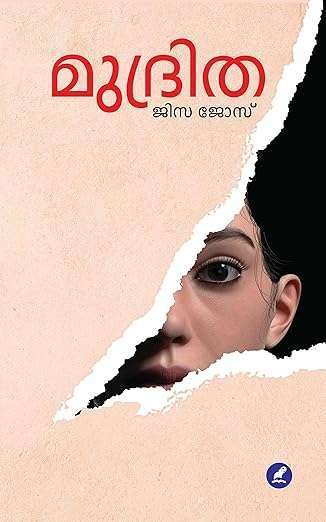
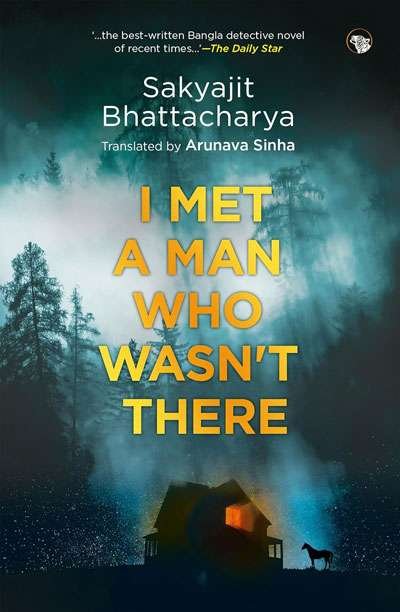
Here again, we had a tie for first place: Jissa Jose’s “Mudritha”, translated by Jayasree Kalathil and Sakyajit Bhattacharya’s “I Met a Man Who Wasn’t There” (translated by Arunava Sinha).
These emerged as the most widely appreciated works, praised for both the power of the original texts and the sensitivity of their translations.
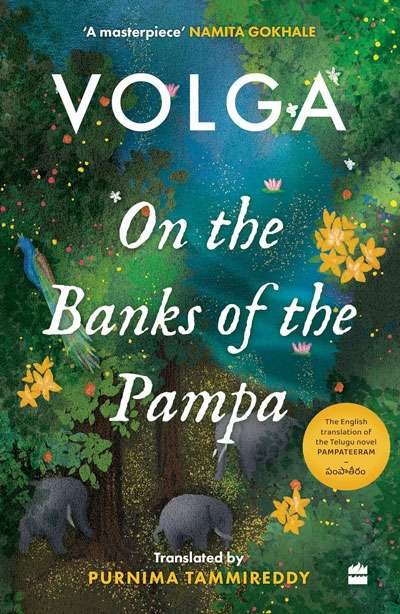
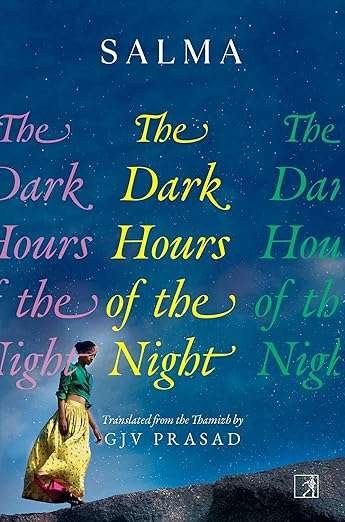
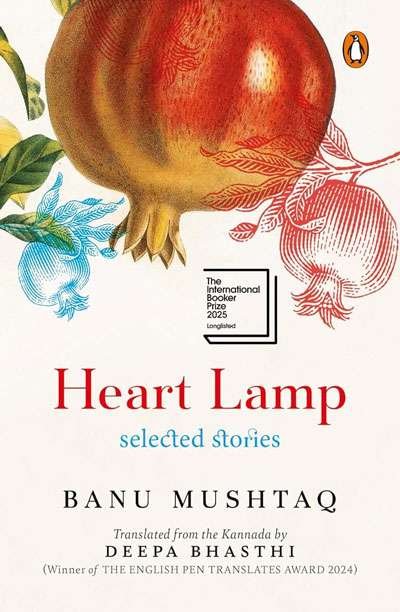
For the second spot again, we had a tie between Volga’s “On the Banks of the Pampa” (translated by Purnima Tammireddy), Salma’s “The Dark Hours of the Night” (translated by GJV Prasad) and Banu Mushtaq’s “Heart Lamp” (translated by Deepa Bhasti). All these books are examples of how translations can expand conversations across languages.
The special mentions in translation reflected the growing strength and visibility of regional literature in English. Sara Joseph’s “Stain”, translated by Sangeetha Sreenivasan; Khalid Jawed’s “The Book of Death”, translated by A. Naseeb Khan; and Tripurari Sharan’s “Our Madhopur Home”, translated by Arunava Sinha, were among the works repeatedly noted in this category. Together, these books underscore how translation continues to be one of the most important and transformative forces in the Indian publishing industry today.
‘The Notables’ would not have been possible without the generosity and discernment of our panel of industry experts who gave their time and thought to this process. We thank them for their love and deep engagement with Indian literature, and for trusting this exercise to remain fair, rigorous, and free of commercial influence. Thank you – Anish Chandy (Founder of Labryinth Literary Agency), David Davidar (Co-founder of Aleph Book Company), Himanjali Sankar (Author & Editor – Formerly Editorial Director at Simon & Schuster India), Kanishka Gupta (Founder of Writer’s Side Literary Agency), Rahul Soni (Editor at large at Harper Collins India), Sayantan Ghosh (Author & Editorial Director at Simon & Schuster), and Udayan Mitra (Head of Literary & Non-Fiction Editorial at Harper Collins India).
Reading preferences are subjective, and with ‘The Notables’, we hope to encourage people to read more by giving them a list of books that are being enjoyed by those who live and breathe books. Take this list as a record of what thoughtful and engaged readers found themselves returning to in 2025. These books stood out not because they were bridging gaps, provoking readers to think deeper and helping people continue enjoying their love for written words. This list is filled with the kind of books that stay in your heart and mind even after you have turned the last page. If there is a quiet ambition behind building ‘The Notables’, it is to build a yearly record that values independence of thought and genuine engagement over hype.
We hope this list helps you discover books, debate over the themes you uncover in them, and above all, keep your love for reading ignited.
FAQs
1. Is there any way I can enter my book into this list?
No, the books on this list are entered only by the experts invited to weigh in. Some awards, like the Pulitzer, have a process for self-nomination in various categories. However, there is no way to add a book to the Notables list / nominate your book for consideration.
2. Why books which are Fiction, Non-fiction and Translations? Why not poetry or shorter formats?
This is our first year, and we have started with these as a hypothesis. Based on the response and the opinions, we may add more categories.
3. Who judges this award/contest? Can you name the Jury members?
Well. Firstly, this isn’t an award/contest in the traditional sense. It is more of a “voice of the industry” sort of thing. The list of the industry experts who voted is shared above in the main post.
4. Is there any way to pay and get on this list? Can I buy my way onto this list?
No.
5. Can you explain the selection process for this award/contest? How is it different from the Booker / JCB Prize / Pulitzer?
Publishers nominated books for the Booker and the now-discontinued JCB Prize. There was a limit to how many books each publisher could nominate. A hand-picked jury would then select the shortlisted books and the winner. The Pulitzer is different in that a person could nominate themselves and their work, and it is across many more categories. Juries nominate finalists, and the Pulitzer Prize Board makes the final selection.
If you had to look at a parallel, the Notables is more like the Oscars in its selection process than like any of the above-mentioned awards. The Oscars are over 100 years old, of course, and their selection process is very complex and evolved. Nominations are determined through branch-specific voting: for most categories, only members of the relevant branch (e.g., actors for acting) rank up to five choices using a preferential ballot system, while all members vote for Best Picture nominees. Shortlists precede nominations in select categories like documentaries via preliminary voting. Final winners are selected by all eligible Academy members voting across categories, with simple plurality deciding most awards except Best Picture, which uses ranked-choice voting to ensure a majority preference. Ballots are secret, online, and tabulated by PricewaterhouseCoopers (PwC) for security.
For the Notables, we’ve asked all our experts to vote on each of the three genres we’ve picked. And for security, you get the humble HWR team instead of PWC. Maybe in a hundred years, things will look different for us as well.
6. Does the Jury get paid?
No, the Jury does not get paid.
7. What about self-published books? Why don’t I see any of those here?
That is possibly a bias built into the way this award/recognition is set up. The people we have invited to opine are literary agents, editors, translators and others. These folks engage mainly with Traditional Publishers, and so the list also tends to come mainly from Traditional Publishing houses, and not from self-publishing platforms. However, if an exceptional book is self-published and catches people’s attention, it can become a Notable book.
8. Is there any entry fee?
Since there is no process to enter your book, there is no entry fee.
9. Is there an award ceremony? Any certificates?
Not right now. We would love to celebrate books with a grand gala, but we cannot afford it right now. We are open to the possibility of sponsorship as long as it does not interfere with the neutrality of the recognition.
10. Is there any Prize money?
Not right now. We always like authors to earn more, and are open to the possibility of sponsorship as long as it does not interfere with the neutrality of the recognition.